
41

West Virginia Secondary School Activities Commission
The official Facebook page for the WVSSAC

Class AA Quarterfinal Update:
#1 Wheeling Central Catholic def. #8 Independence, 3-0 (25-10, 25-12, 25-9)
#5 Charleston Catholic def. #4 Oak Glen, 3-1 (22-2525-2025-1625-20)
5 hours ago
1 CommentComment on Facebook
LGK!!!
Class A Quarterfinal Update:
#4 Gilmer County def. #5 Ritchie County, 3-0 (25-22, 25-19, 25-20)
#1 Wirt County def. #8 Pendleton Couty, 3-0 (25-15, 25-20, 25-9)
5 hours ago
0 CommentsComment on Facebook
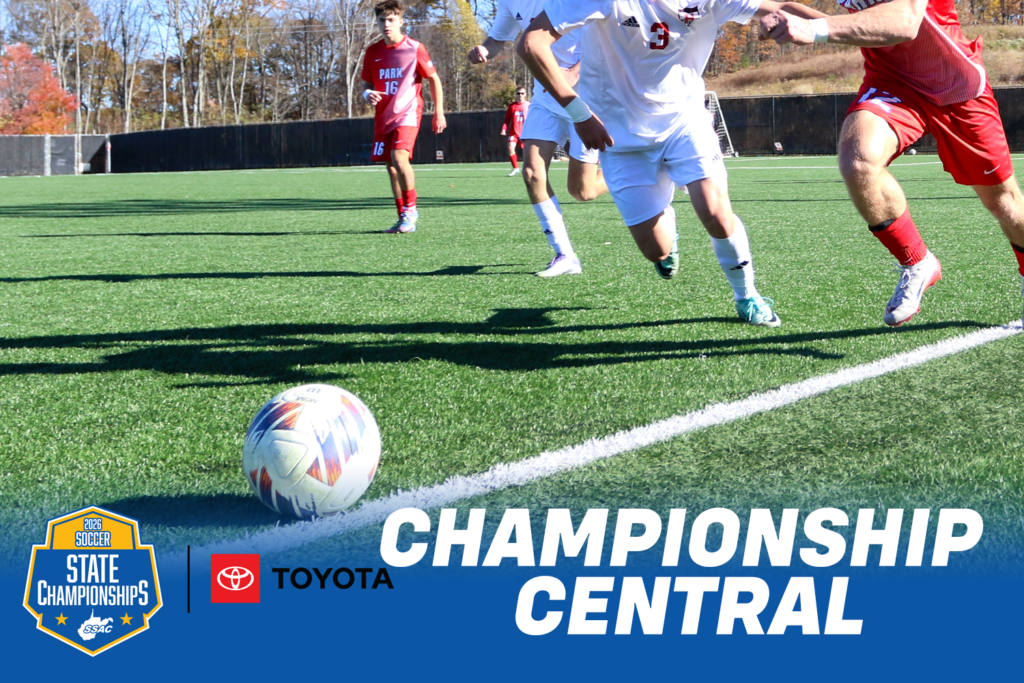
All galleries from the soccer championships posted here: mediawvssac.smugmug.com/2026-State-Soccer
8 hours ago
0 CommentsComment on Facebook
Ready to get this started at the 2026 Volleyball State Championships! Follow all of the action today (including live webcasts) by visiting Championship Central: www.wvssac.org/2026-volleyball-championship-central/
9 hours ago
2 CommentsComment on Facebook
Too bad the Digital Program has last year’s team photo and roster for Musselman.
Lady Rebels